
Blogging Towards Sunday, August 3, 2025
Mary Oliver’s Poems “The Summer Day” and “Thirst & Ecclesiastes 3 [pdf]
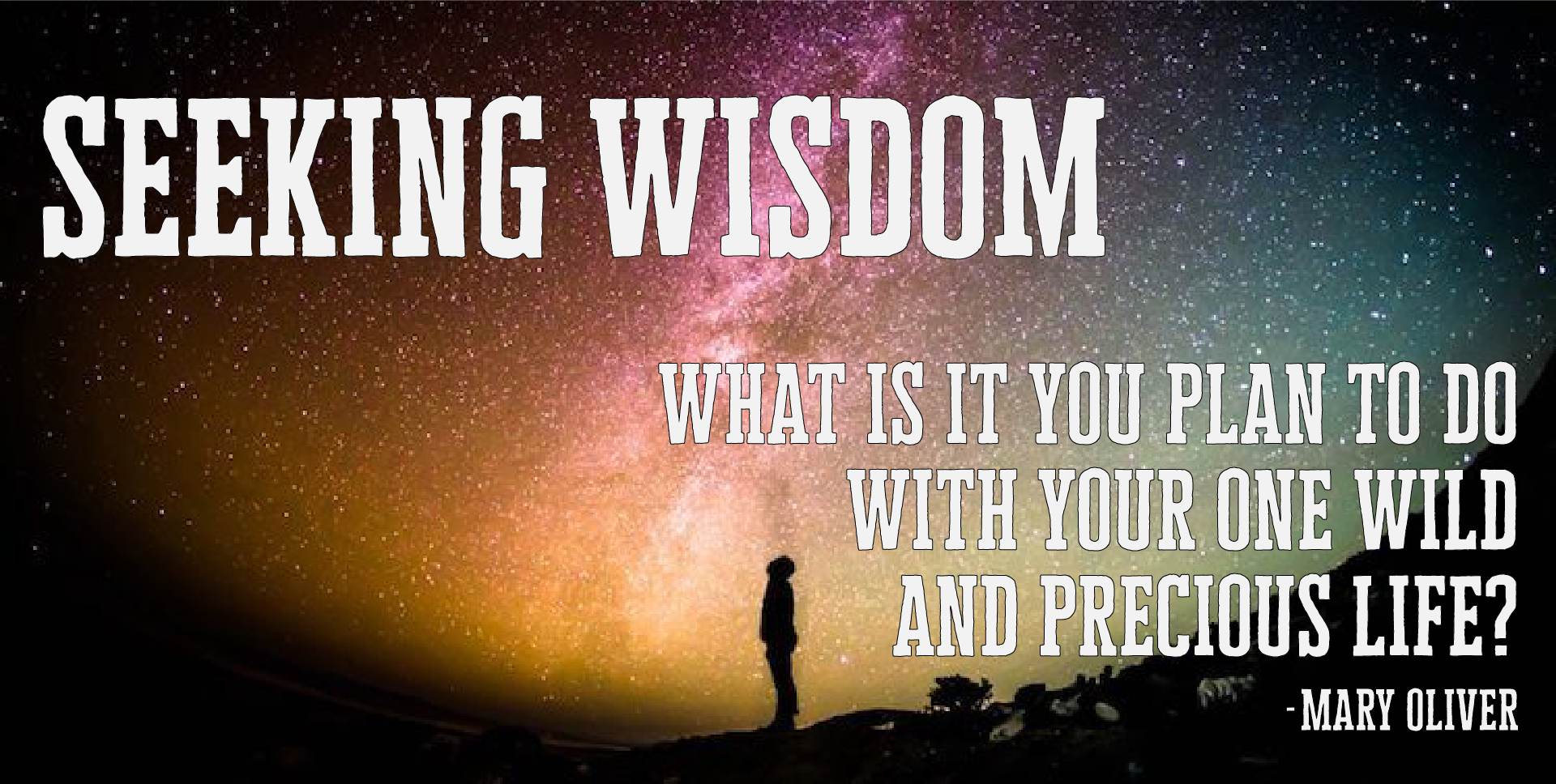
“For theology and liturgy, poetry has always mattered. Scripture begins and ends with poetry and contains swaths and snatches of it throughout its vast remainder. The rites of Christian worship across the centuries have endured in part because they are poetry in the mouth, poetry in the ear, poetry to live by…..The reasons for the deep draw to poetry are no doubt many, but perhaps in this cultural moment we are discovering a particularly salient one: the failure of arguments. Propositional speech and expository writing have always been limited in their power to move and convince, which is why the best orators and authors throughout history have won over their audiences with poetic speech—language rife with image, metaphor, ambiguity, and lyricism and uninterested in didacticism and moralizing. For Christians who recognize the dreariness of staking one’s life solely on a list of propositions to be assented to, poetry turns out to be “like fires for the cold, ropes let down to the lost, something as necessary as bread in the pockets of the hungry.”
That line was written by Mary Oliver, the best-selling American poet of all time. She is a mystic of the natural world, not a theologian of the church. Nevertheless, Christians have much to gain from reading Oliver.”
Her writing is similar to the Wisdom Literature of the Bible (the books we call the Psalms, Proverbs, Ecclesiastes, Job and the Song of Songs). These books are written in poetry, not prose or propositional speech. Like modern poetry, this ancient poetry seeks to invite us to reflection, and personal discovery more than logical conviction. These books also contain multiple voices, at time differing perspectives and opinions about God, God’s purpose and the meaning of life. No one of them is correct for God can only be fathomed and spoken of in such a diverse polyphony (multiple voices). They articulate the tension that we live with in life that seems at times orderly and organized and at others chaotic and threatening. This poetic literature serves in part to help us wrestle with, accept and live in the often destabilizing truth that God is just beyond our grasp and understanding.
[ much of this is redacted from an article by Debra Dean Murphy
that appeared in the Christian Century]
QUESTIONS FOR REFLECTION & EXAMEN:
• What engaged, enraged, or surprised you in these texts?
• How do you feel comfortable or uncomfortable with poetry?
• What questions do you have about God, the nature, purpose and perspective of God and how you glimpse that in life?
• How do these three poems make you feel? How do they connect with your life and what you’re living today?
• What are the authors of our readings possibly
trying to tell us or get us to feel today ?
 CAPC Oakland